
Low-Temperature Operating Capability
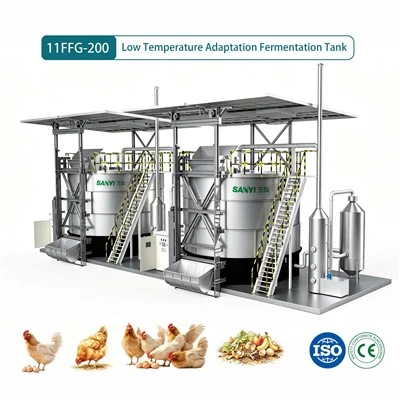
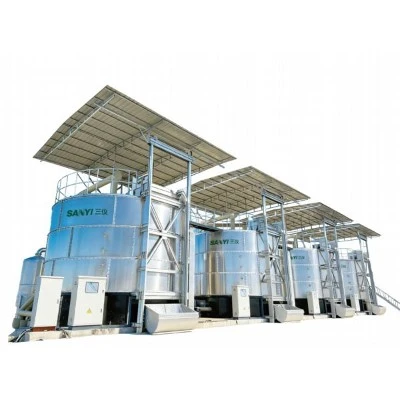
Designed as organic waste fermentation equipment for cold climates, the Low Temperature Adaptation Fermentation Tank operates in ambient temperatures from -30°C to 40°C. This low temperature compatible organic waste fermentation tank is designed to maintain an internal fermentation temperature above 65°C, including under an ambient temperature of -30°C.
The vertical sealed aerobic fermentation system is intended for projects where conventional fermentation equipment may experience reduced performance during winter. Its insulation, heat exchange, auxiliary heating and temperature control components are upgraded for low-temperature operation.
-
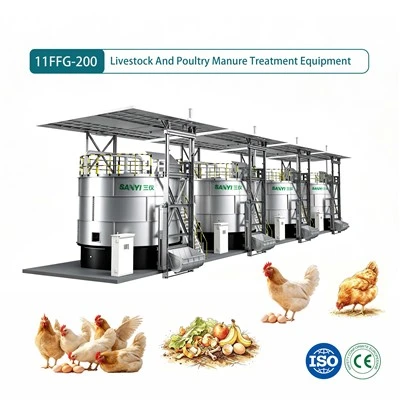
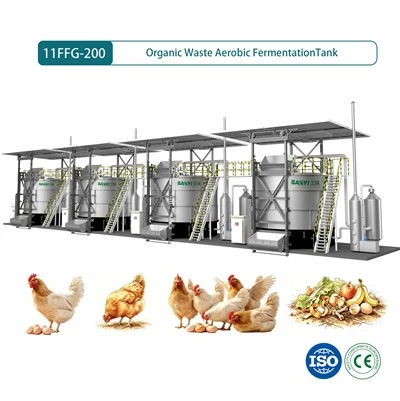
![Organic Waste Aerobic Fermentation Tank]() Organic Waste Aerobic Fermentation TankThe aerobic fermentation tank for organic waste is an integrated vertical sealed complete set of equipment, specially developed for harmless treatment and resource recycling of various organic solid wastes including chicken manure,...view more
-
![Low Temperature Adaptation Fermentation Tank]() Low Temperature Adaptation Fermentation TankThe low-temperature adaptable fermentation tank is an intelligent aerobic fermentation equipment specially developed by Sanyi for organic waste treatment under extreme low temperatures, which fundamentally solves the problem of...view more
-
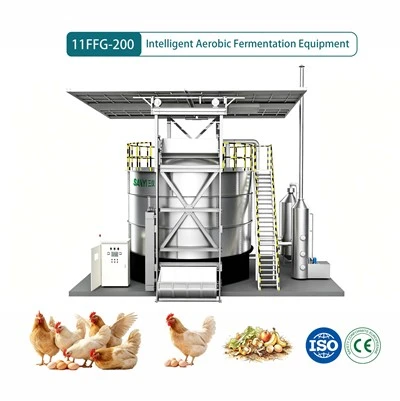
![Intelligent Aerobic Fermentation Tank]() Intelligent Aerobic Fermentation TankThe intelligent aerobic fermentation tank is an integrated intelligent control model of complete organic waste treatment equipment, focusing on full-process automatic management. Equipped with a full set of PLC programmable intelligent...view more


Organic Waste Compatibility and Feeding Conditions
This low temperature aerobic fermentation equipment is designed to process several types of organic waste:
- Chicken manure
- Pig manure
- Sludge
- Dead livestock
- Kitchen waste
Raw materials with a moisture content of 75% or below can be fed directly without adding conditioning materials, according to the product specifications. This feeding condition is relevant when evaluating whether existing manure collection and pretreatment arrangements can be connected to the fermentation system.
The equipment uses a vertical, sealed structure for integrated organic waste treatment.
Low-Temperature Insulation, Heating and Mixing Configuration
The low-temperature fermentation tank incorporates upgraded structural and process components for cold-weather operation.
| Component | Configuration |
|---|---|
| Inner tank wall | 3 mm national-standard 304 stainless steel plate |
| Outer tank wall | Thickened 201 stainless steel load-bearing plate |
| Insulation layer | At least 50 mm high-density polyurethane, density ≥40 kg/m³ |
| Mixing blades | Q355E low-temperature high-strength structural steel with a 2–3 mm 304 stainless steel protective layer |
| Main shaft | Q355 seamless steel |
| Transmission ratchet | 42CrMo tempered steel |
| Heat exchange | Honeycomb fin-tube countercurrent U-shaped heat exchange structure |
| Auxiliary heating | Dual-mode electric and steam heating module |
The heat exchange system preheats outdoor air before it enters the tank. The published product specification states that air at -30°C can be preheated to 5°C. Electric or steam auxiliary heating supports temperature recovery during low-temperature startup.
PLC Control and Winter Protection
The system uses a Siemens PLC control cabinet with low-temperature temperature-sensing probes and dedicated temperature-control programs.
Its documented control functions include:
- Automatic coordination of heat recovery and auxiliary heating
- Adjustment of aeration and mixing duration
- Remote monitoring
- Low-temperature fault warnings
- One-key anti-freezing protection
These functions coordinate the heating, aeration and mixing processes according to operating conditions.
The feeding and discharging mechanism uses a hydraulic system with low-temperature hydraulic oil and heated pipelines. The deodorization system includes spray, pickling and ozone oxidation stages, with pipeline heat tracing and insulation to reduce the risk of freezing and blockage.
Installation and Supporting Equipment
The product information specifies an installation footprint of approximately 70–105 m² per unit.
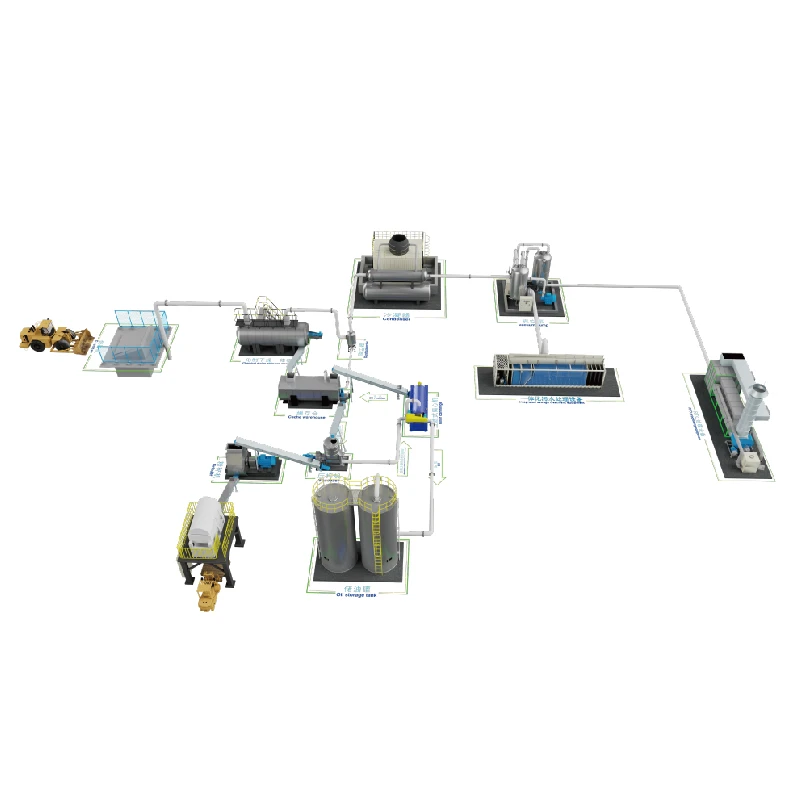
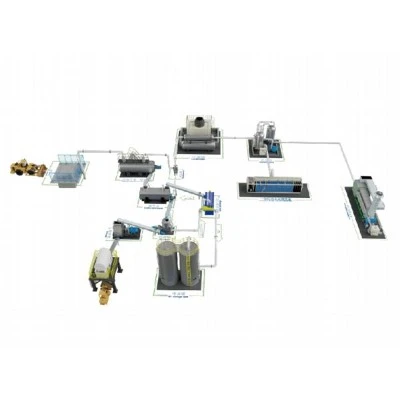
For project planning, the organic waste treatment equipment can be evaluated together with supporting systems such as:
- Belt feeding conveyors
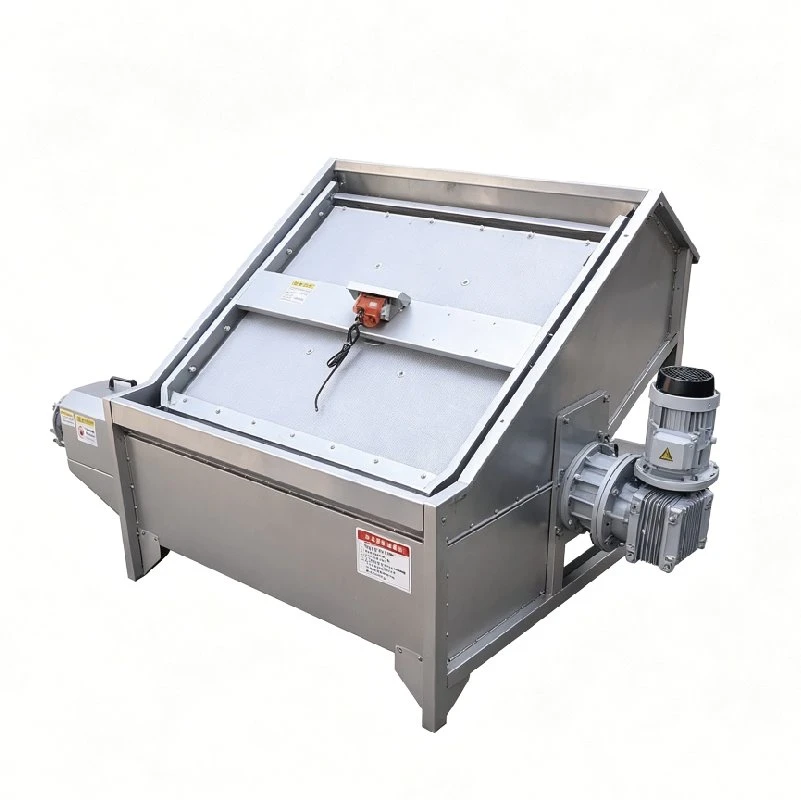
- Solid-liquid separators
- Mixers
- Pelletizers
- Drying equipment
These are supporting equipment categories offered within Sanyi's wider product range. Their inclusion in a specific fermentation project depends on the incoming material, process arrangement and required output.
Manufacturing and Engineering Support
Shandong Heze Sanyi Biological Engineering Co., Ltd. was established in 2012 and is a wholly owned subsidiary of SANYI Group.
The company integrates biotechnology research, equipment manufacturing, engineering project delivery and operational services. Its published company information identifies a manufacturing facility of approximately 55,000 m² and business coverage across more than 70 countries and regions.
For project implementation, its technical team supports equipment fabrication, assembly, installation, commissioning and product optimization. Customized engineering services are available according to project requirements.
Request a Low-Temperature Fermentation Tank Solution
Send us your lowest expected ambient temperature, organic waste type, incoming moisture content and estimated daily processing volume. If available, include material photos and the site layout.
Our team can use these details to evaluate the low-temperature fermentation tank configuration and the supporting equipment required for your project.
Shandong Heze Sanyi Biological Engineering Co., Ltd. is one of the most reliable low-temperature compatible organic waste fermentation tank manufacturers and suppliers in China, also supports customized service. We warmly welcome you to buy CE approved low-temperature compatible organic waste fermentation tank made in China here from our factory.
Low Temperature Adaptation Fermentation Tank, low temperature compatible organic waste fermentation tank, Organic Waste Aerobic Fermentation Tank